.svg)


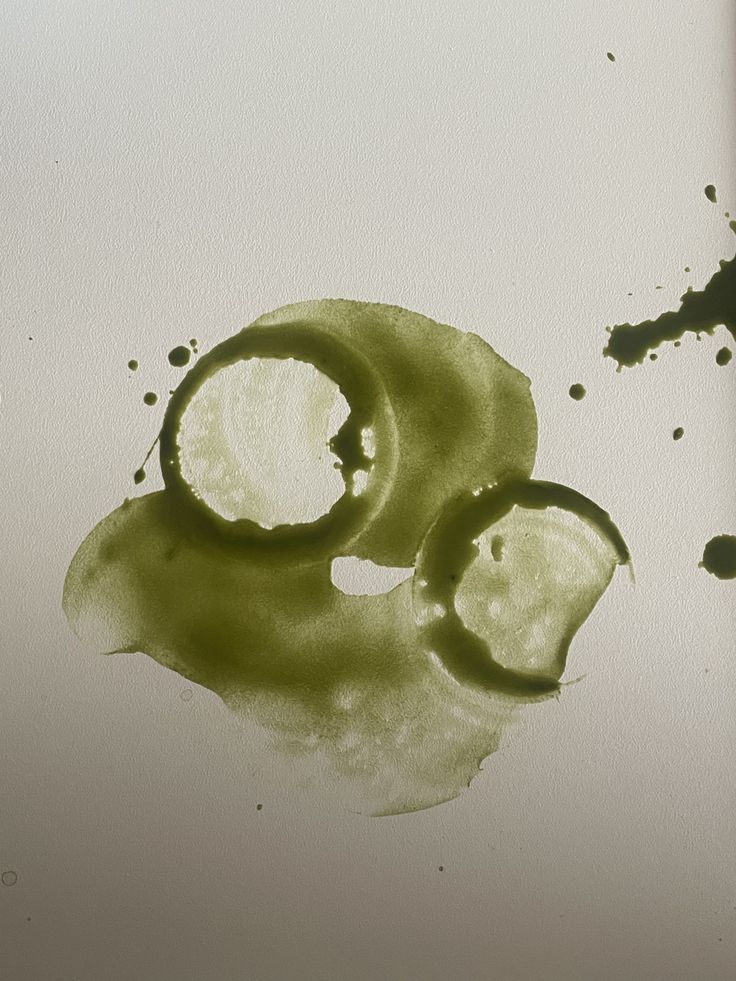

Your first matcha probably tasted like someone liquidated a lawn.
Sweetened with too much honey, whisked half-heartedly by someone who didn't believe in what they were doing, served in a giant cup like it was lemonade—that's not matcha. That's a marketing department that decided green equals healthy equals profitable. Your body knew it was being lied to. Your mouth probably made a face you didn't intend.
Let me tell you what real matcha actually is. And then let me tell you why we've become impossible about it.
The Difference Between Grass and Gold
Matcha is not a trend. It's not even coffee's eccentric younger sibling. It's something older—a tea ceremony drink that's been refined over centuries, and we've managed to wreck it in less than a decade.
Real matcha comes from shade-grown tencha leaves. The tea plants are literally starved of sunlight for weeks before harvest—a controlled deprivation that forces them to produce more chlorophyll and amino acids. The leaves are harvested, dried, and then stone-ground into a powder so fine it's almost powder in concept only. It's powder that remembers it was alive.
This is not the same as that electric green dust at the chain café. That's culinary grade—the stuff meant for lattes and cookies and things designed to taste sweet. Ceremonial grade is what we use. It's neon green, almost aggressively so, and when you whisk it properly, it foams up like it's alive.
The difference in price isn't a marketing trick. It's the difference between something and its imposter.
Matcha is a 2am conversation when you actually have something to say, not 3pm caffeine panic.
The Chemistry of Calm Alertness
We love espresso. We've written about it obsessively. But matcha does something espresso can't—it gets you wired without the panic.
Here's why: matcha contains L-theanine, an amino acid that essentially teaches your caffeine to be polite. Instead of the spike-and-crash of coffee—that 10am feeling of invincibility followed by 3pm despair—matcha gives you what neuroscientists call "calm alertness."
It's the difference between being in a mosh pit and sitting in a symphony. Both are stimulating. One leaves you exhausted and possibly injured. The other leaves you focused and human.
You get about 70 milligrams of caffeine in a proper matcha shot—less than an espresso, but delivered differently. The L-theanine smooths out the edges, lengthens the effect, and makes the whole thing feel less like you're chemically forcing your brain to wake up and more like you're inviting it to.
Your cat will not be terrified of you. Your hands will be steady. You will not check your phone fourteen times before the liquid cools down.
The Ritual Actually Matters
This is where we become insufferable, and I'll own that.
You cannot stir matcha with a spoon. You cannot dump it in a blender. You cannot, God help you, pour hot water on the powder and pretend you're making matcha.
You need a chasen—a bamboo whisk that looks like it was made by someone who had infinite patience and nothing but time. You heat the water to 70 degrees Celsius (not boiling—boiling kills the delicate notes). You sift the powder so there are no clumps. You pour the water and whisk with a wrist motion that's half meditation, half physical act.
It takes three minutes. Maybe four. In a world that demands everything instantly, this is a small rebellion.
The ritual creates a texture that a spoon never could. The foam that rises is fine and dense, not the aggressive bubbles of an electric frother. When you drink it, you taste the powder suspended in the water, each sip carrying the full weight of what the plant became. You're not sipping. You're experiencing.
This sounds pretentious. It absolutely is. And once you've had it done right, you can't go back to the alternative.
Why This Matters to Us
We use Kettl matcha—a Japanese tea company that specializes in single-origin, shade-grown tencha. We pay more for it than we probably should. We're careful about water temperature. We've trained our baristas on the whisk. We refuse to add sweeteners unless someone specifically asks, and even then we suggest tasting it first.
Because matcha is the drink that says: you deserve something that takes time. You deserve something that's been done right. You deserve to sit still for four minutes while someone whisks your breakfast.
In a culture of optimization and speed, matcha is a gentle refusal.
And it tastes like the earth was patient while growing it.
Questions About the Green
Is matcha really better than coffee?
Not better. Different. Coffee is bold and immediate. Matcha is subtle and sustained. Whichever one you reach for says something about what you need that morning. Both are good.
Why does ceremonial grade cost so much?
Because it comes from younger leaves, is shade-grown longer, and is stone-ground in smaller batches. Each step costs more. Each step is worth it.
Can I make matcha at home?
Yes. Buy ceremonial grade powder (not culinary) from a reputable source. Get a cheap bamboo whisk. Boil water and let it cool to 70 degrees. Sift the powder into a bowl, add water, whisk for about two minutes. The first time will be imperfect. The tenth time will be transcendent.
Does matcha make you jittery?
Rarely, and usually only if you're sensitive to caffeine or you drink it on an empty stomach. The L-theanine prevents the typical jitters. You'll be calm and alert, which is probably more uncomfortable if you're used to coffee anxiety.
What if I really hate the taste?
You might be tasting culinary grade or old powder. Fresh, good matcha tastes earthy and slightly sweet—like seaweed if seaweed made you feel like you understood something true. If you hate that, that's fair. Matcha isn't for everyone.
Jurassic Magic
Specialty coffee, community, and stories. Mid-City & MacArthur Park, Los Angeles.
Find a Location