Why cafés turn down the volume
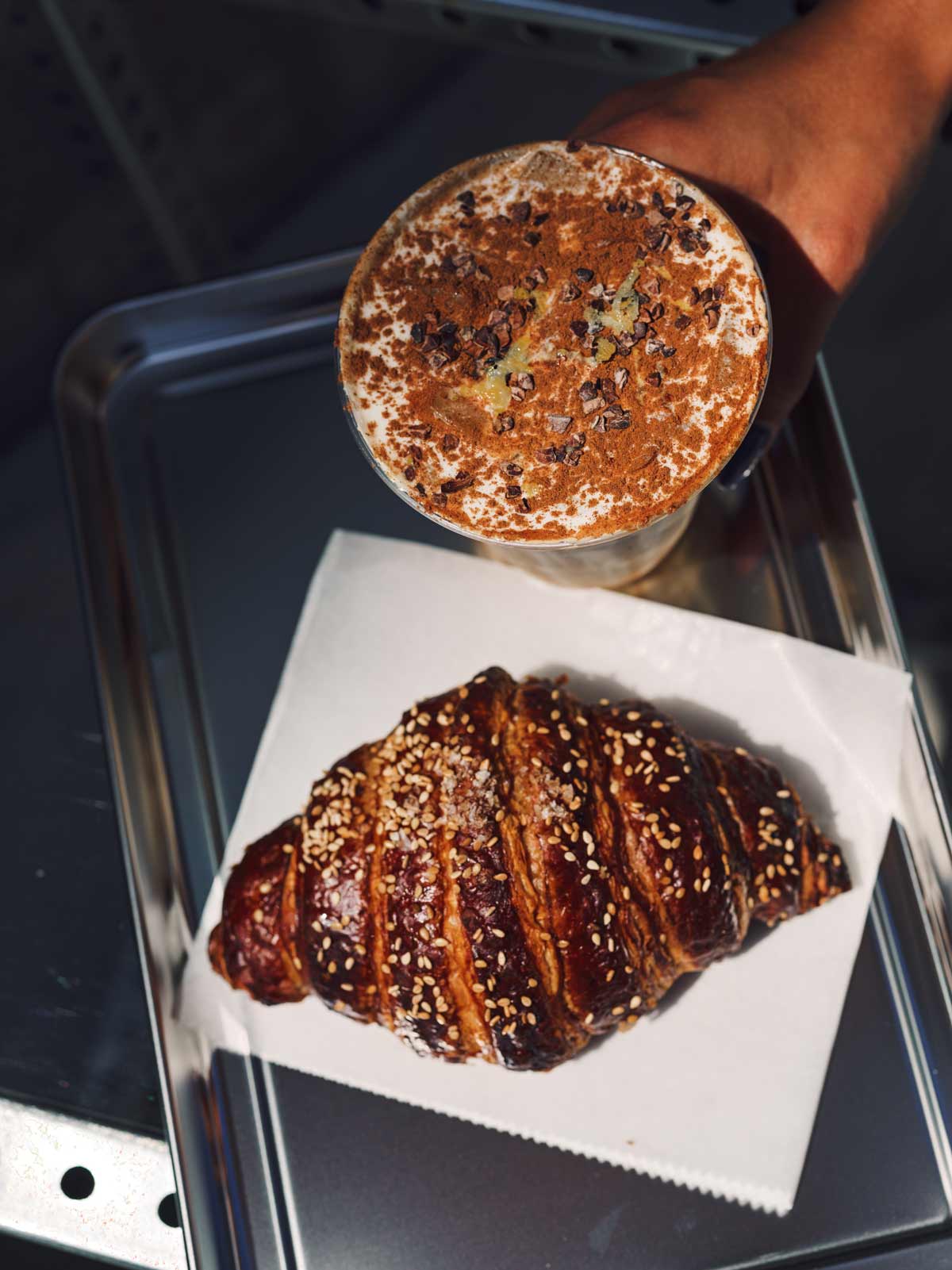
There’s a moment, around 9 a.m. on a Tuesday, when a coffee shop becomes something else entirely. The espresso machine goes quiet between pulls. The barista stops steaming milk. And what fills the space is not silence, but something deliberate—a half-heard melody, a bassline that stays in the room like the smell of a cortado.
This is lo-fi. Or, more precisely, this is what lo-fi has become in the context of the modern third place.
The sensory secret of lo‑fi
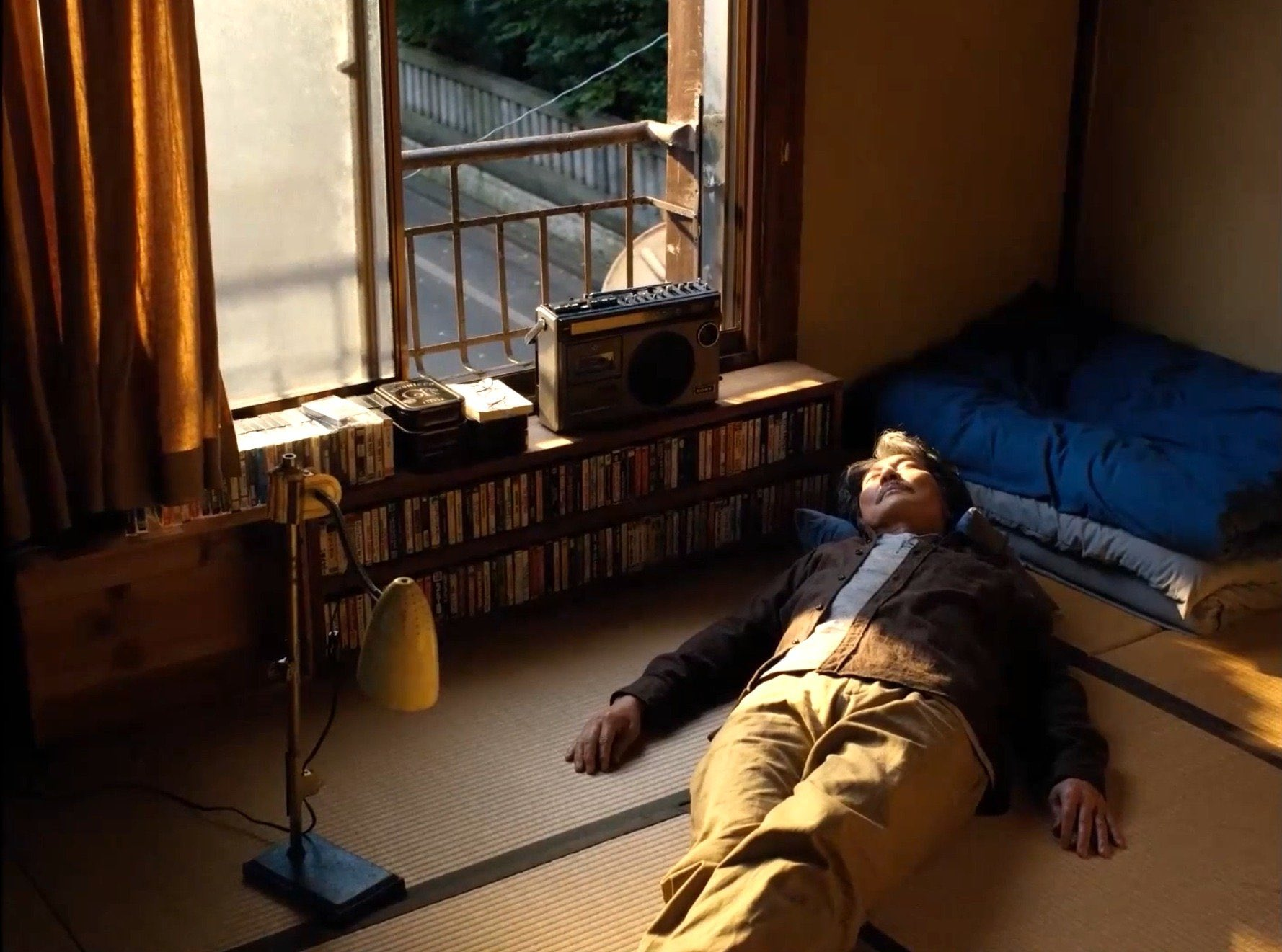
Lo-fi, as a genre, has always been defined by its imperfections—the tape hiss, the vinyl crackle, the slightly-off-tempo drum machine. These aren’t mistakes. They’re signals. They tell your nervous system: this is not a performance. This is a room where someone is thinking.
Research in sensory marketing suggests that ambient sound at 70 decibels—the volume of a quiet coffee shop—optimizes creative thinking. Lo-fi, by design, sits in this range without demanding attention. It’s the acoustic equivalent of a conversation you’re not part of.
A new kind of gathering place
What’s interesting is how this has changed what coffee shops are for. In the 1950s, the American diner was about speed and efficiency. In the 1990s, the third wave coffee shop became about conversation and community. Now, the ambient coffee shop—with its lo-fi playlist and its careful noise management—is about something more private: the right to think in public.
It’s a paradox that makes sense. People are more isolated than ever, but they still want to be near people. Not interacting, exactly. Just… proximate. Lo-fi enables this. It fills the social contract of a shared space without demanding participation.
Beyond the trend
There are 40 million monthly listeners on the lofi hip hop radio YouTube channel. Spotify’s “lofi beats” playlist has been curated by algorithm for years. The genre—if you can call it that—has become infrastructure.
But infrastructure is exactly what a good coffee shop provides. Not a destination. A condition. The lo-fi playlist isn’t there to be noticed. It’s there so that everything else can be.
Which is, maybe, the best thing you can say about a place: that it knows when to disappear.
© Jurassic Magic 2025. This piece was written with care for the culture, not for the algorithm.