.svg)



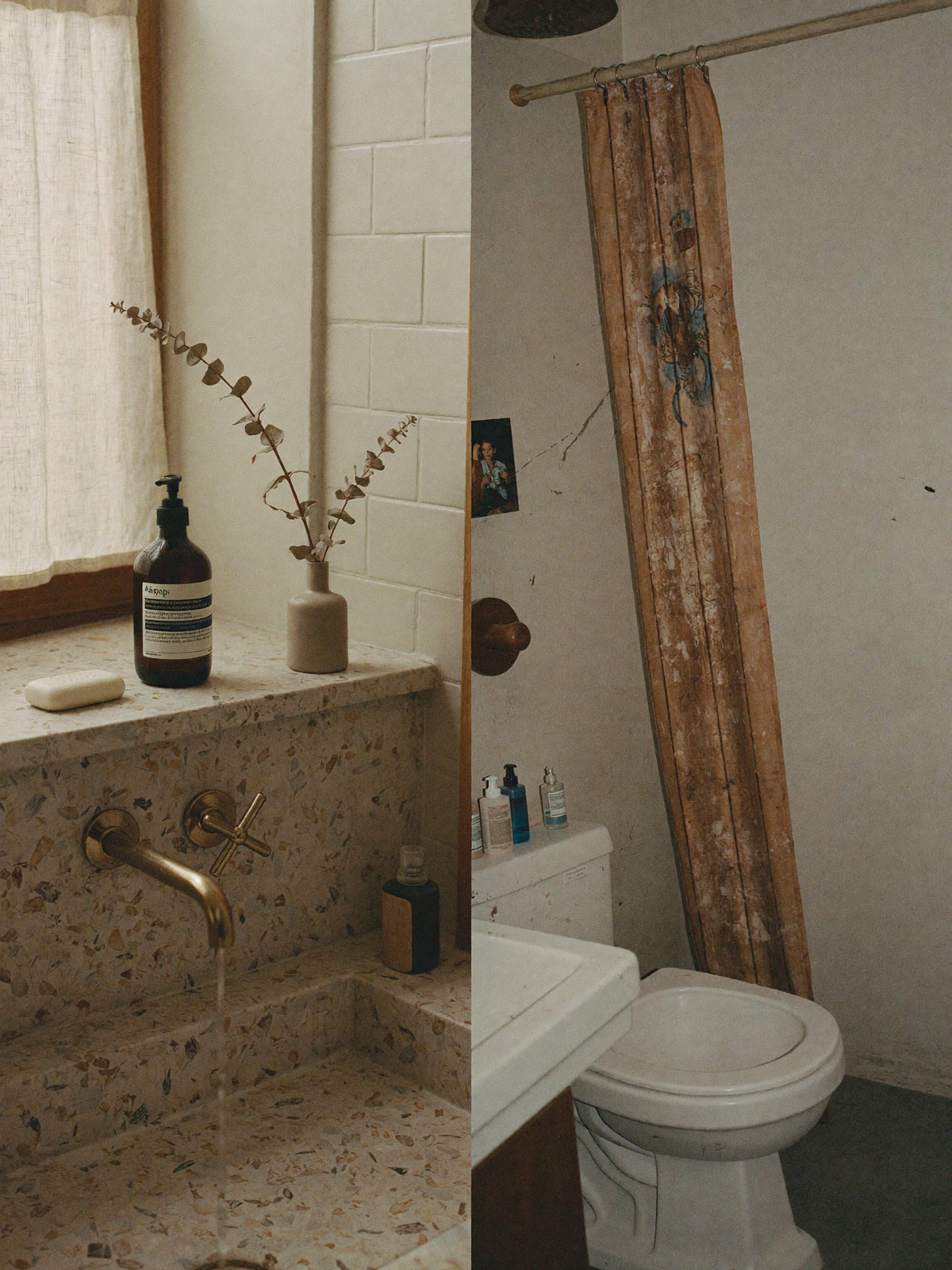
There's a couple in Angelino Heights who opened the doors to their living room in January, set out pastries and a La Marzocca, and told strangers to come sit on their couch. No app. No reservation system. No brand guidelines. Just: here's coffee, here's our home, be a person for a while.
Granada -- because that's what they called it, not a name born from a naming agency brainstorm but from the street they live on -- is perhaps the most honest thing to happen to LA coffee culture in a decade. Not because it's innovative. Because it's the opposite. It's a living room. It's coffee. It's the radical act of saying this space exists for you to exist in, in a city where every square foot is monetized, optimized, and Instagrammed into a content delivery system.
But of course, you won't find Granada by searching "best coffee shops in LA." You'll find a listicle. You'll find an algorithm. You'll find the same twelve places rearranged by whatever SEO gods decided that your specific human longing for connection should be answered by a Yelp star rating.
Welcome to Los Angeles, 2026. Where the indie coffee scene is the most vibrant, culturally kaleidoscopic, genuinely weird collection of cafes on the planet -- and where almost nobody is talking about it right.
The Map Is Not the Territory (And Your "Coffee Near Me" Search Is a Lie)

Let's start with the search. "Coffee near me." "Best coffee shops Los Angeles." "Specialty coffee LA." These are the phrases -- we know, because we looked -- that real humans type into Google while sitting in their cars, in their beds, in their cubicles, hoping the algorithm will spit back something that feels like an answer to a question they haven't fully articulated.
The question isn't where can I get coffee. It's where can I go.
Where can I sit for two hours without buying a second drink and not feel like a criminal? Where can I bring my dog -- our regulars know Koda the pit bull basically has her own reserved corner at this point -- and watch her accept head scratches from strangers while I pretend to read? Where can I be alone in public?
The sociologists have a word for this: third places. The spaces between home and work where social life happens. The concept was coined by Ray Oldenburg in 1989 and has been strip-mined by every coworking startup and "community-focused brand" since. But the original idea was simple: humans need rooms that belong to no one in particular. Rooms where the only entry fee is showing up.
In 2026, the LA indie coffee scene is producing these rooms at an almost startling rate. The problem is that the way we discover them -- through algorithms, listicles, "best of" roundups -- is fundamentally hostile to the thing that makes them work.
The Korean Wave You Didn't See Coming (But Should Have)
Here is a fact that most "LA coffee scene" articles bury in paragraph nine, if they mention it at all: Korean cafes are reshaping the entire landscape of how this city drinks coffee, and roughly half the finalists at the US Barista Championship last year were Korean.
Half.
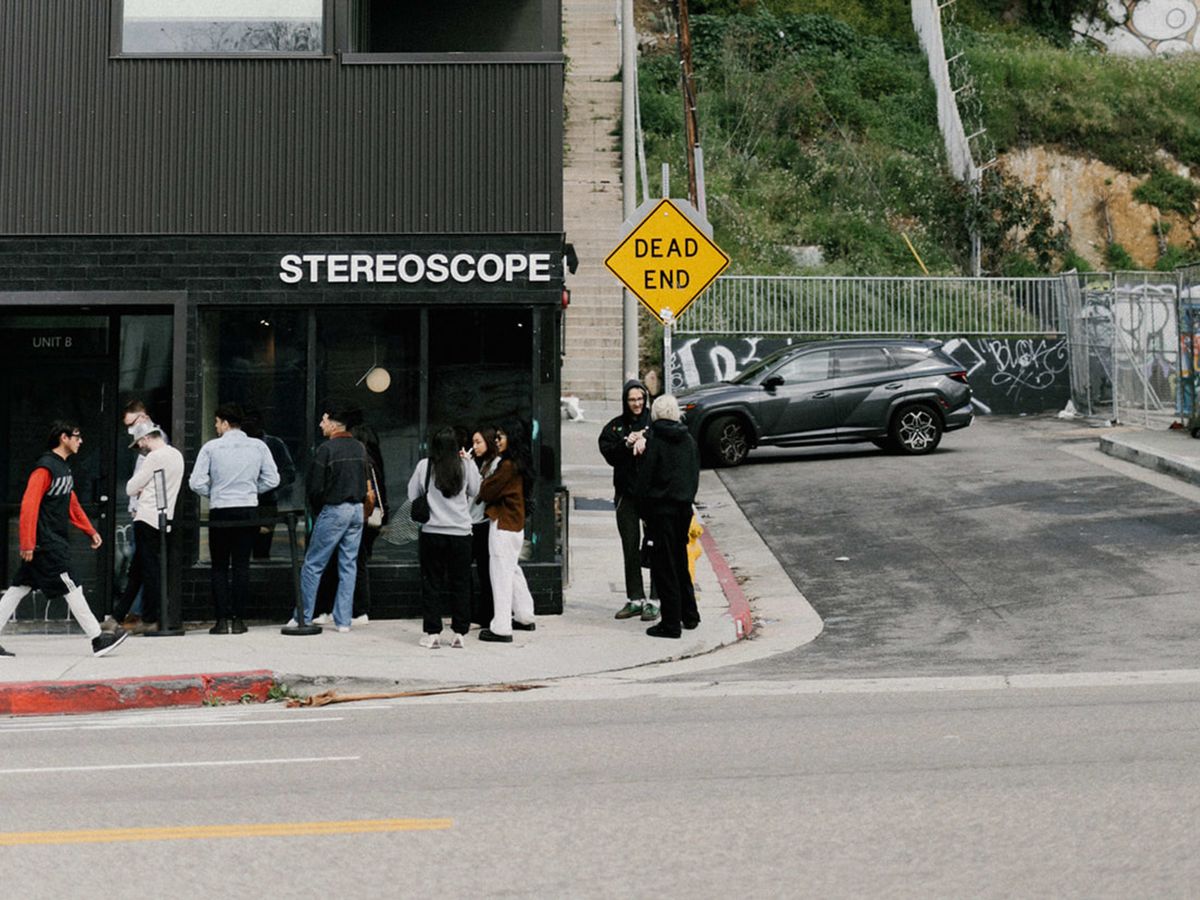
Stereoscope Coffee, founded by Leif An in 2013, now runs five locations across LA, each designed with the architectural intentionality of a Seongsu-dong concept store. Be Bright Coffee on Fairfax is run by Frank La, who won the 2024 US Barista Championship and competed at Worlds in Busan. Community Goods -- yes, the one the Biebers frequent, but let's not hold that against it -- has turned the Korean-style matcha Einspanner into something approaching a citywide dialect.
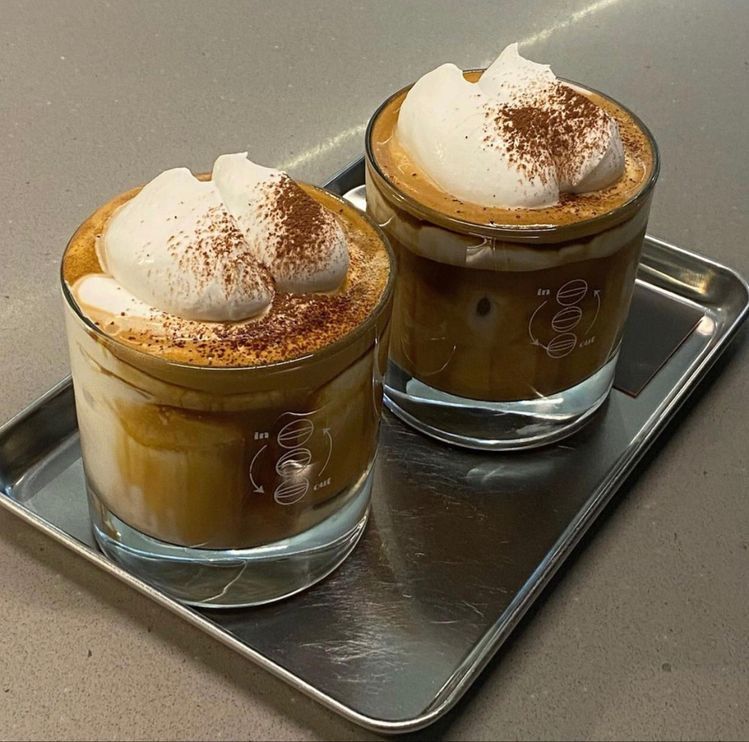
The Einspanner, for the uninitiated, is a drink that originated in Viennese coffee houses (served to carriage drivers who needed to hold the reins with one hand -- the cream on top prevented spills) and was adopted and reinvented by Korean cafe culture into something both photogenic and legitimately delicious. It's a drink with a biography. A drink with immigration papers. A drink that has traveled through more countries than most "global" coffee chains.
And that biography -- that cultural layering -- is what makes LA's coffee scene remarkable and impossible to flatten into a listicle. When you order a cardamom cream coffee at Yala in Studio City, you're not just drinking coffee. You're drinking the Shammas family's relationship to Middle Eastern hospitality, refracted through the San Fernando Valley. When you walk into Lumen Coffee in Highland Park, you're encountering Armenian roasting traditions in a city with the largest Armenian population outside Armenia itself.
This is not a melting pot. This is a coffee scene that refuses to melt.
The Gentrification Question (We're Asking It Wrong)
We should talk about this, because no honest essay about indie coffee shops in Los Angeles gets to skip it: the g-word. Gentrification. The idea that a specialty coffee shop is, at best, a canary in the coal mine and, at worst, an active agent of displacement.
And look -- we run a coffee shop at MacArthur Park. We are, admittedly, also participants in the ecosystem we're about to critique. The self-awareness is not absolution. But it is a starting point.
The research on coffee shops and gentrification is more nuanced than the narrative. Independent studies have mapped the relationship between rent prices and cafe openings in several urban areas and found that many of the shops predated the rent spikes. Coffee shops don't cause gentrification the way a match causes a fire. They're more like the smoke -- visible, atmospheric, and easy to blame for the thing that's actually burning underneath, which is speculative real estate capital and zoning policy and the entire apparatus of how American cities eat themselves.
But here's what matters: what the shop does once it's there. Does it hire from the neighborhood? Does it price its menu for the people who already live on the block, or for the people the landlord wishes lived there? Does it host events that mean something to its actual community, or does it optimize for the algorithm's idea of community -- which is just engagement metrics wearing a flannel shirt?
Some rooms exist to extract. Some rooms exist to hold. The difference isn't in the espresso machine. It's in the intention.
The Coffee Campus, the Home Cafe, and the Death of the Template
Two things happened in early 2026 that, taken together, tell you everything about where LA coffee culture is headed.
First: Quat LA opened -- a full coffee campus from the team behind Kumquat and Loquat, featuring a roastery, a retail store for high-end beans, and plans for something called Atelier Q, which is essentially coffee omakase. A tasting experience modeled on the sushi counter. Twelve courses. Each cup a chapter. The whole thing is beautiful and absurd and deadly serious, which is the most LA combination imaginable.
Second: Granada opened in someone's house.
These two extremes -- the campus and the living room -- are not contradictions. They're the same impulse expressed at different volumes. Both are rejections of the template. Both refuse the beige-and-subway-tile aesthetic that turned every "third wave" cafe from Portland to Paris into the same IKEA showroom with better beans. Both are saying: a coffee shop can be anything, as long as it's not pretending to be everything.
The template era is dying. Good. It was always just the aesthetic arm of optimization culture -- the idea that there's one correct way to arrange a room, one correct milk, one correct playlist. (The playlist was always lo-fi hip hop. It was always lo-fi hip hop.)
The indie coffee shops that are thriving in Los Angeles right now -- the ones you won't find on page one of Google because they don't employ SEO consultants -- are thriving precisely because they are specific. A former biochemist running a pour-over lab in Chinatown's Far East Plaza. A couple sharing their living room. An Armenian roaster. A coffee campus with omakase. A cafe in Chinatown that becomes a salsa dancing venue after dark.
Specificity is the antidote to the algorithm. Always has been.
What We Actually Mean When We Say "Third Place"
Here's the tender part. The "things that hurt" part.
We are, by most available metrics, in a loneliness epidemic. The data is everywhere and it's brutal: declining social connection, rising isolation, a generation that communicates primarily through screens and then wonders why everything feels flat. The Surgeon General called it a public health crisis. The internet called it content.
And into this void -- this enormous, howling human need for rooms where people can simply be around other people -- the market's answer has been: an app. A coworking space with a monthly fee. A "community" that's actually a mailing list. A "third place" that's actually a brand activation.
But walk into any real indie coffee shop in LA on a Tuesday morning -- not the one the algorithm sent you to, but the one you found because you got lost, or because someone you trust said go here -- and tell me what you see.
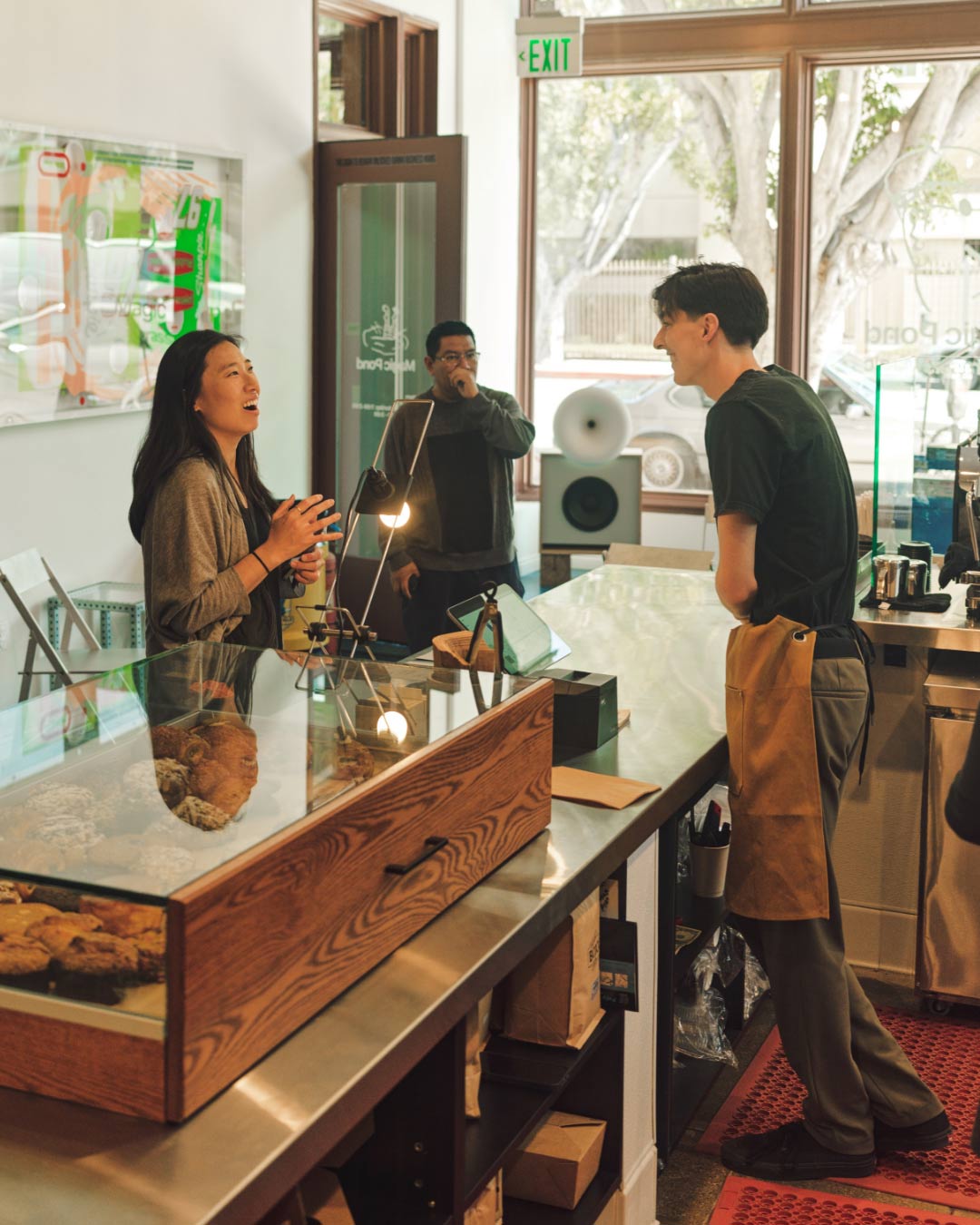
You see a guy with a laptop who's been there four hours and nobody cares. You see two strangers who started talking because one of them complimented the other's dog. You see a barista who remembers your order not because it's in a CRM but because they have a human brain and they like you. You see a room that doesn't need you to buy anything else but is glad you're here.
That's the third place. Not the concept. The room.
And Los Angeles, despite everything -- despite the traffic and the sprawl and the car culture that atomizes everyone into their own private metal box -- keeps building these rooms. In Mid-City and MacArthur Park and Chinatown and Highland Park and Studio City and Fairfax and Angelino Heights and a hundred other neighborhoods that don't show up in "best of" lists because they're too busy being alive.
The 2026 Flavor of Refusal
One more trend, because we'd be irresponsible not to mention it: the flavor innovation happening in LA coffee right now is unhinged in the best possible way. Yuzu espresso tonics. Pandan lattes. Ube cold brew. Cardamom cream. Black currant matcha (Armenian-inflected, naturally). Sand-brewed Turkish coffee served with Mexican conchas.
The coffee industry press calls these "global flavors" and frames them as a trend, as if someone in a boardroom decided that Southeast Asian ingredients were "in." But in LA, these aren't trends. They're people. A Filipino barista using ube isn't following a trend report -- they're remembering their grandmother's kitchen. A Middle Eastern cafe owner steeping cardamom isn't innovating -- they're continuing.
And that's the thing the trend reports always miss, and what makes LA specialty coffee something more than a scene. It's not that the city adopts global flavors. It's that the globe lives here, and the flavors are just what happens when people are allowed to make coffee the way they actually want to drink it, rather than the way an algorithm says it should taste.
Pistachio is apparently the "flavor of 2026," according to the industry. Fine. We'll be over here with the cardamom.
Frequently Asked Questions
What is the best indie coffee shop in LA in 2026?
This question is a trap, and we respect you too much to pretend it isn't. LA's indie coffee scene is defined by its refusal to be ranked. Korean-influenced cafes like Stereoscope, Mexican-inspired spots like Cafe Tondo, Middle Eastern gems like Yala Coffee, pour-over laboratories like Endorffeine, and neighborhood anchors like Jurassic Magic in Mid-City and MacArthur Park -- they're not competing. They're coexisting. The best shop is the one that makes you forget you were looking for one.
Is specialty coffee in Los Angeles worth the hype?
LA specialty coffee isn't hype -- it's arguably the most culturally diverse coffee ecosystem on Earth. From former biochemists running pour-over experiments in Chinatown to Armenian roasters in Highland Park to Korean baristas winning national championships on Fairfax, the city's coffee culture is a direct reflection of its people. The specialty isn't the single-origin bean or the $7 latte. It's the story that got the cup to your hand.
What are the biggest coffee trends in Los Angeles for 2026?
The biggest trends are less "trends" and more cultural facts that the trend reports finally noticed: Korean-style Einspanner drinks, multicultural flavor profiles (yuzu, pandan, ube, cardamom), experience-first spaces like coffee campuses and literal home cafes, and a city-wide drift toward indie shops and away from chains. Sustainability is no longer a selling point -- it's a structural expectation.
Are coffee shops causing gentrification in LA?
The short answer: it's complicated. Research shows many independent cafes predate neighborhood rent increases, and the real displacement engines are speculative real estate capital and zoning policy -- not your local barista. The question isn't whether cafes change neighborhoods. It's whether they bother to learn the neighborhood's name first.
Where is Jurassic Magic Coffee located?
Two locations, both in Los Angeles: Mid-City at 1865 S Mansfield Ave and MacArthur Park at 2502 W 7th St. Specialty coffee, Japanese matcha from Kettl, and the kind of third place that means it.