.svg)


Cold Foam: Why We're Obsessed With Clouds That Taste Like Milk
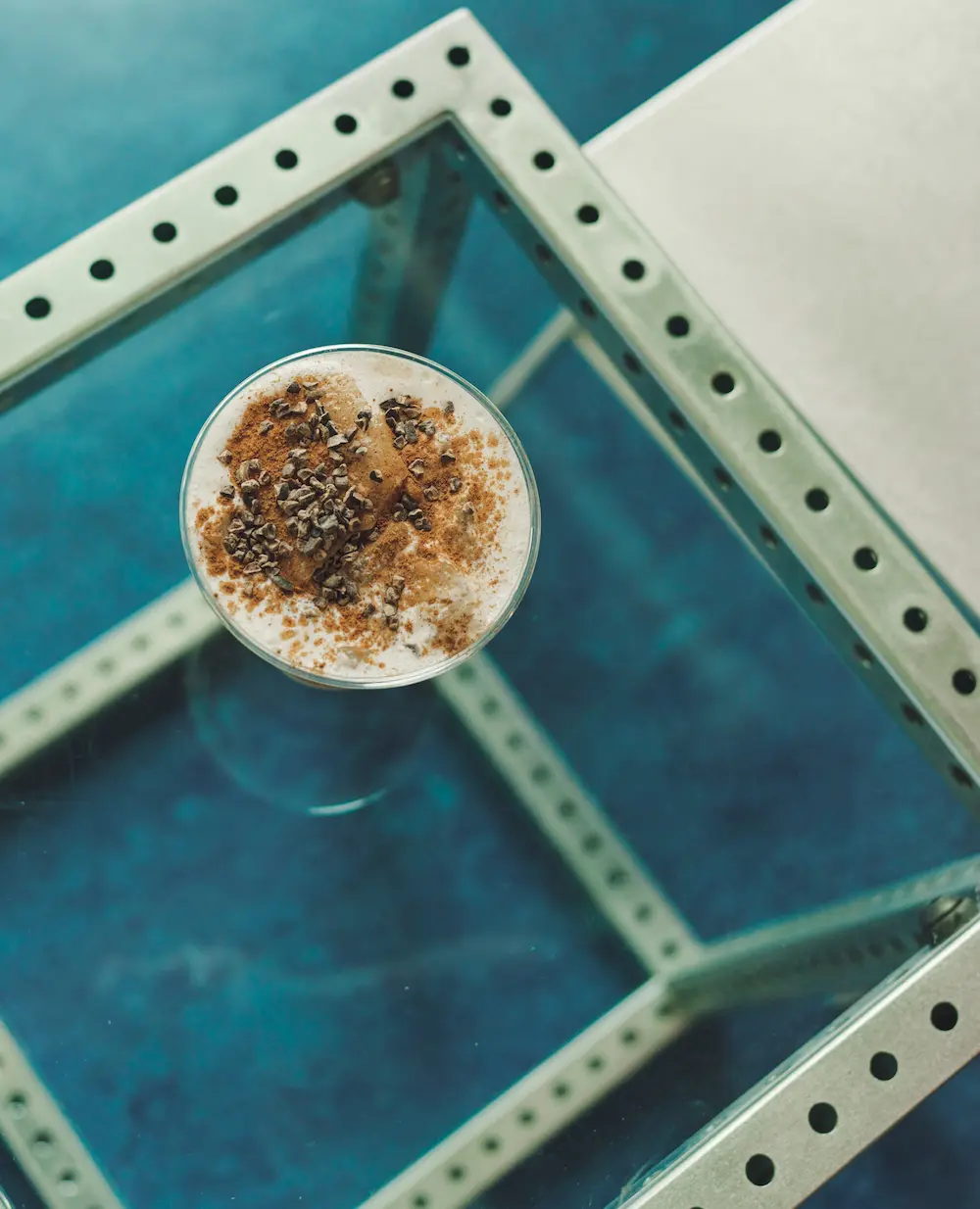
It's 8 a.m. somewhere in a cafe with an indie playlist on repeat. There's a line of phones pointed at drinks. The cold foam sits on top like a soft landing pad — white, delicate, somehow promising that today will be okay.
Cold foam has been trending for like six years now. It's not new. It's not revolutionary. And yet — billions of TikTok views. Entire supply chains built around it. Baristas who've made it an art form.
Why? What is it about foam that makes us feel like we've elevated our coffee experience?
Texture has always been the secret language of luxury. Cold foam just found the right syntax.
The Foam Revolution
Starbucks figured it out first, around 2018. Someone in corporate R&D decided: what if milk was softer? What if it felt like cashmere on your tongue?
The world laughed. Then the world started ordering it.
They called it a seasonal gimmick. Now it's permanent. It's everywhere. It's almost impossible to order coffee without someone asking if you want it "upgraded" with foam.
What started as a corporate experiment became a ritual. And now nobody remembers when coffee was just coffee.
Why It Works (The Science of Feeling Good)
Cold foam is mostly just air. You're paying for the feeling of something soft in your mouth. For texture. For the visual confirmation that you're doing something right.
The velvet mouthfeel transforms a plain drink into a sensory event. Each sip becomes intentional. Almost meditative.
Visually, light hits the micro-bubbles and makes them glow. It looks like a '70s Polaroid — soft, nostalgic, forgiving of your imperfections.
And then TikTok happened. Six-second foam pours. Sixty million screens rewatching it. Until it felt inevitable. Until foam became the story instead of the coffee.
The Oat Milk Upgrade
Almond milk was king for a while. Then someone realized: oat milk foams better.
It's chemistry — something about beta-glucan. Oat's molecular structure holds air more elegantly. The foam is thicker, creamier, more stable.
Plus there's the sustainability angle. It feels better to drink oat milk. Like you're making the right choice. Like your coffee has ethics.
(It does. Also, it tastes better. Both things can be true.)
Making It at Home (or Trying To)
Kitchen counters have become coffee labs. People shake oat milk and maple syrup in mason jars at midnight. They experiment with temperatures. They film the results.
Handheld milk frothers cost fifteen dollars. Suddenly everyone's a barista. Suddenly your apartment at 6 a.m. tastes like a third-place cafe.
It's not quite the same. But it's close enough to feel like a small luxury. Like you're taking yourself seriously at breakfast.
The Real Story
Cold foam isn't really about texture. It's about experience over substance. About choosing to slow down for five minutes.
We're not paying for the foam. We're paying for permission to treat ourselves like we matter. To have a moment that feels intentional instead of rushed.
In a world that moves too fast, cold foam is a tiny rebellion. It says: I'm going to take this seriously. I'm going to feel the softness. I'm going to make a video because this moment deserves to be noticed.
Is it absurd? Completely. Is it staying forever? Probably not — something fluffier will come along.
But for now, at 8 a.m., with your phone pointed at the cloud on top of your cup, it feels like the most important thing in the world.
And maybe that's the point.
It's not a topping. It's not an upgrade. It's the moment when you decide your morning deserves to feel like a small ceremony instead of a rushed transaction.
Jurassic Magic
Specialty coffee, community, and stories. Mid-City & MacArthur Park, Los Angeles.
Find a Location